

How to Identify Quality Silicone: A Manufacturer's Guide for Home Cooks
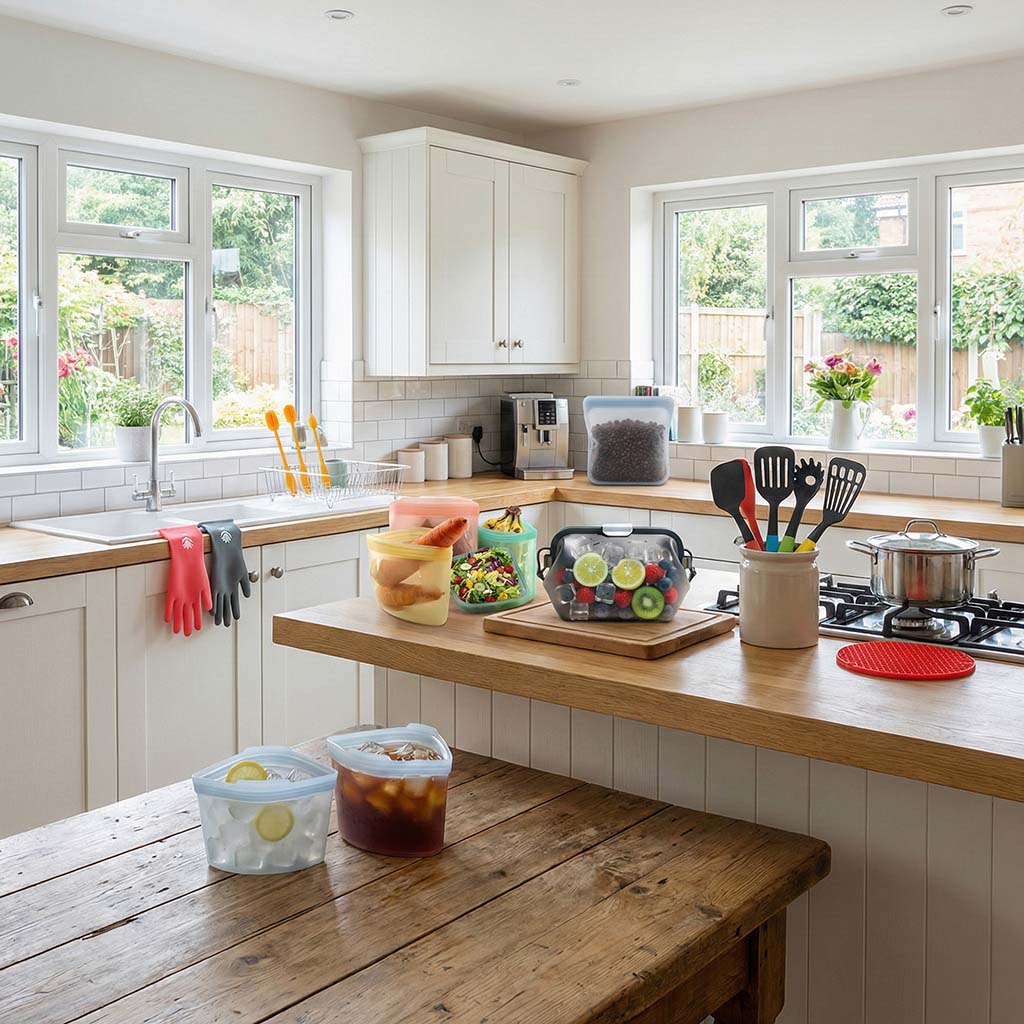
If non-stick pans were the first liberation of the modern kitchen, then Food-Grade Silicone is undoubtedly the second revolution.
Think about the current state of your kitchen drawers: that wooden spoon turning black from moisture, the plastic spatula with melted, jagged edges, or the metal ladle you’re afraid will scratch your expensive pots. For years, home cooks have had to compromise between durability, safety, and usability.
As industry experts at kitchengx, we have watched material science evolve to solve these exact pain points. Today, we are diving deep into how silicone is quietly taking over countertops worldwide—and why your kitchen deserves this upgrade.
1. The Iron Man of Materials: Extreme Heat Resistance
A common misconception is, "Isn't silicone just plastic? Won't it melt?"
This is a huge myth. While it feels flexible like rubber, silicone is derived from silica (sand). Advanced manufacturing in the silicone industry has stabilized this material to withstand extreme temperatures.
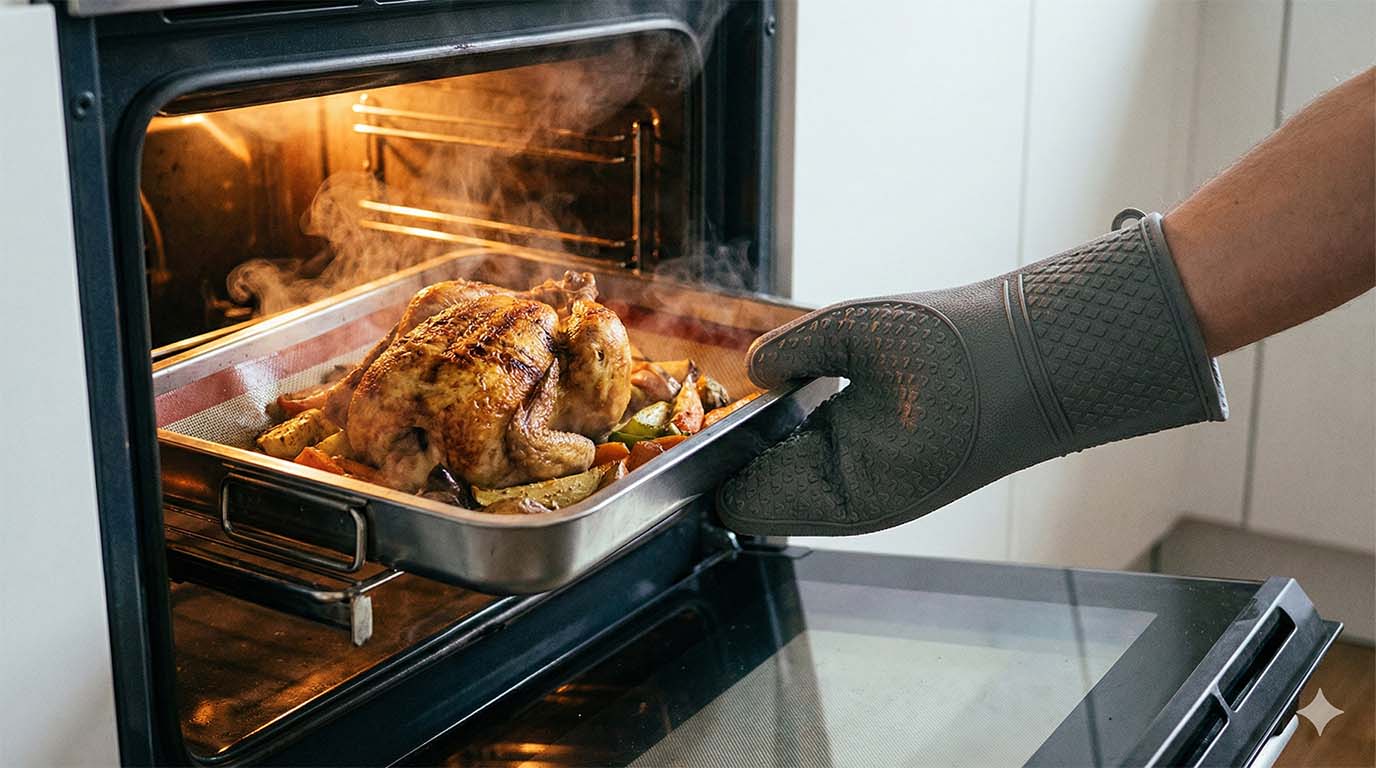
High-quality food-grade silicone can handle temperatures ranging from -40°C to 230°C (approx. -40°F to 446°F).
This means you can take a silicone container straight from the freezer and pop it directly into the microwave or oven. It won't melt like plastic or shatter like cold glass. It is truly the "all-rounder" of the kitchen.
2. The Best Friend of Non-Stick Cookware
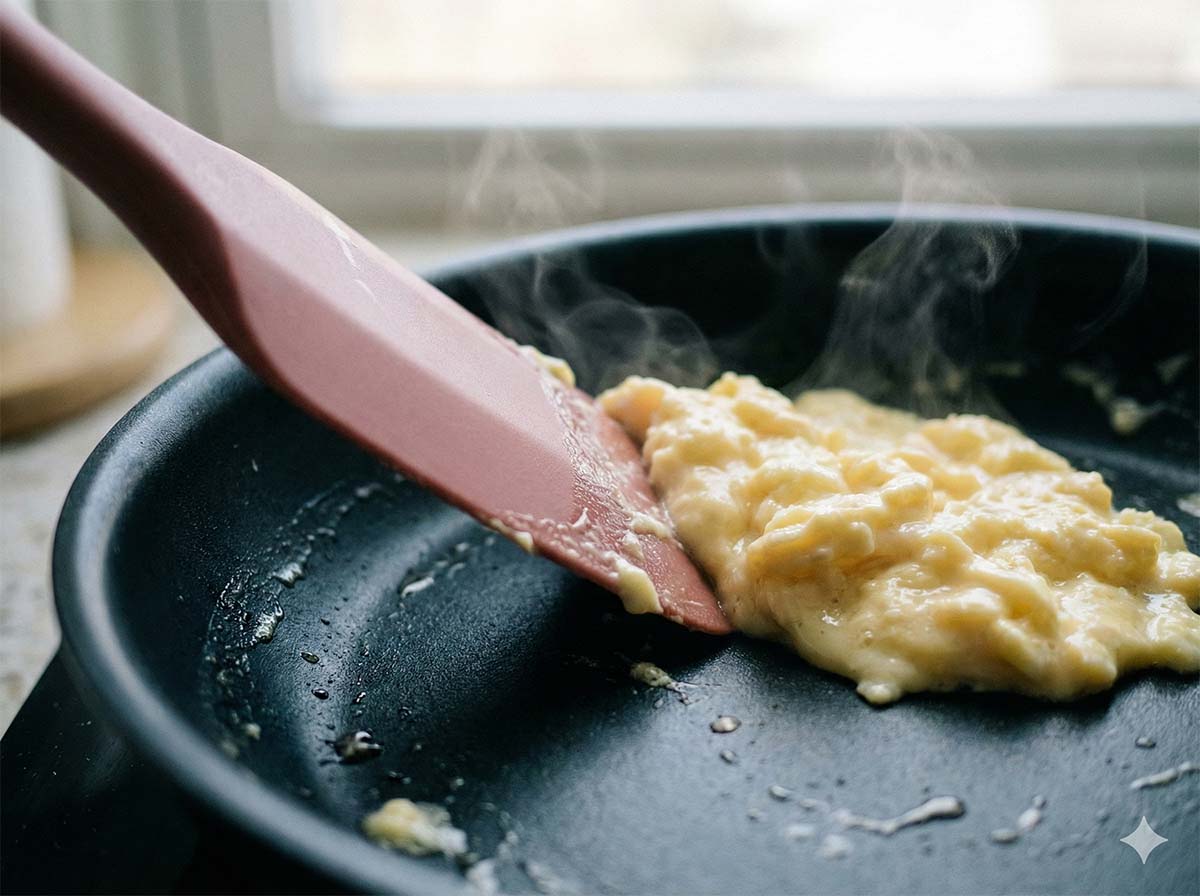
Many modern kitchens feature high-end non-stick pans or enameled cast iron pots. These tools are fantastic, but their coatings are fragile. One scrape with a stainless steel spatula, and your expensive pan is ruined.
This is where silicone’s unique "soft toughness" shines. It is soft enough to glide over delicate coatings without leaving a single scratch, yet firm enough to scrape up every bit of sauce. It doesn’t just cook your food; it protects your investment.
3. An Invisible Shield Against Bacteria
Have you ever noticed a lingering smell on your wooden spoons? Wood is porous. Over time, food particles and moisture seep into the grain, becoming a breeding ground for bacteria and mold.
Silicone is non-porous. Its dense surface structure physically prevents oil and bacteria from penetrating.
- Easy Cleaning: Most of the time, a simple rinse with warm water is all you need.
- Hygienic: It won't mold, rot, or degrade like wood or low-quality plastic. For families with young children, this level of hygiene is a game-changer.
4. Comparison: Why Make the Switch?
Here is a quick look at how silicone stacks up against traditional materials:
| Feature | Wood / Bamboo | Plastic / Nylon | Food-Grade Silicone |
|---|---|---|---|
| Heat Resistance | Low (Burns/Chars) | Medium (Melts) | Excellent (230°C) |
| Safety | Porous (Mold risk) | Risks of BPA | Non-Toxic, BPA-Free |
| Cookware Care | Gentle but rough | Gentle | Perfect Protection |
5. Industry Insider: The "Pinch Test"
With the popularity of silicone rising, not all products on the market are created equal. As a source factory, we want to teach you a simple trick to identify quality: The Pinch Test.
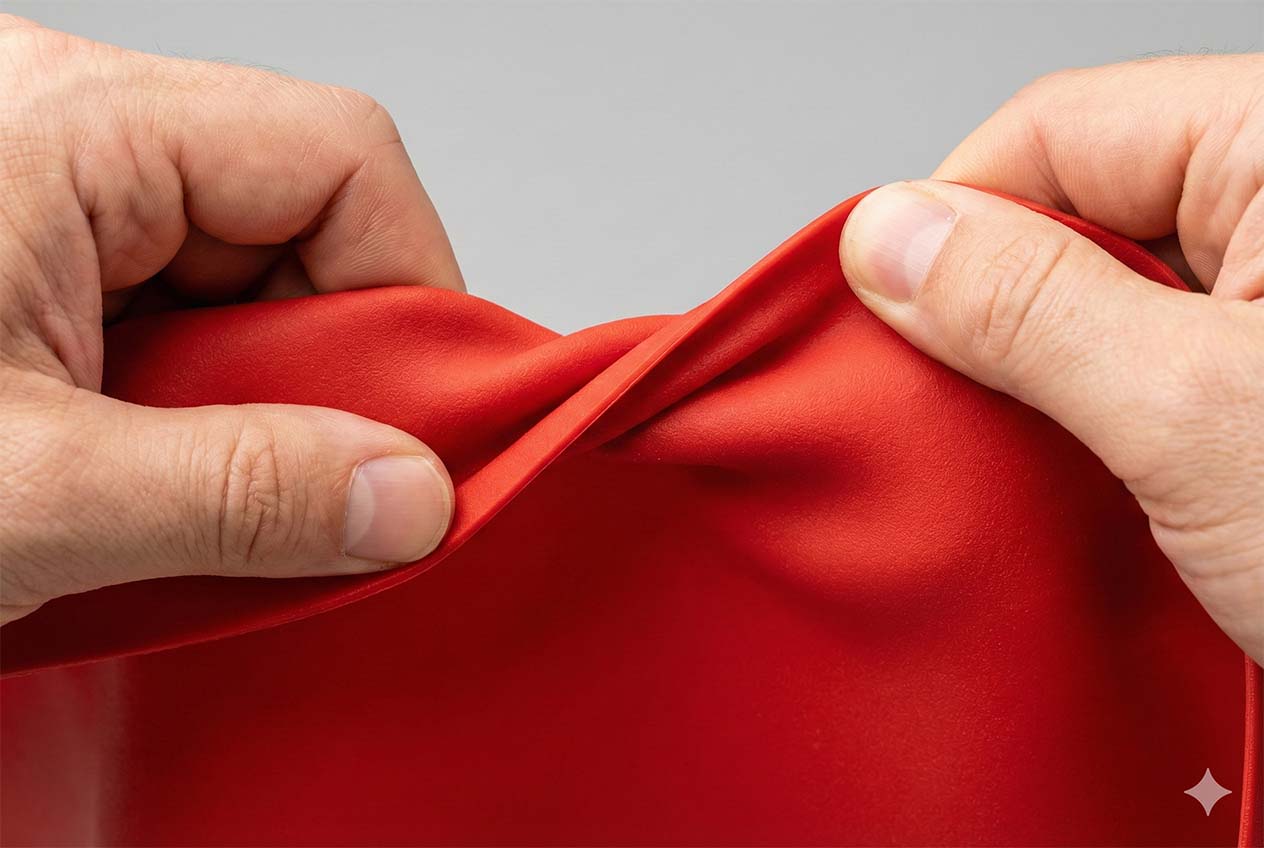
Take a silicone product and pinch or twist it hard.
- ❌ If the stretched area turns white: It likely contains cheap fillers. This is not pure silicone.
- ✅ If the color stays solid: Congratulations, you have high-quality, pure silicone.
Conclusion
The shift towards silicone isn't just a trend; it's an upgrade in lifestyle. It makes cooking quieter, cleaner, and more colorful.
If you are still struggling with tools that melt, scratch, or smell, it might be time to retire them. Try replacing just one tool—perhaps a spatula or a colander—with a kitchengx silicone product. We are confident that once you feel the difference, you won't want to go back.
Interested in upgrading your kitchen products?
Contact kitchengx directly for wholesale inquiries or more information.
🌐 Website: https://kitchengx.com/
📧 E-mail: alice@kitchengx.com
💬 WhatsApp: +86 137 9823 5173